Regrettably, many doctors dismiss thyroid problems as minor issues that can be easily addressed. Generally, the associated symptoms can be managed effectively. However, many patients do not respond well to standard therapy, often receiving insufficient doses of L-thyroxine. I believe that thyroid diseases should be treated by specialists, specifically endocrinologists, who are experts in hormone-producing glands. Our bodies have a hormone axis, and when one hormone is imbalanced, it affects the other hormones and our overall well-being. For women, the thyroid is particularly crucial as a certain hormone level is required for pregnancy. Therefore, an unfulfilled desire to have children is often due to insufficient thyroid hormones in our blood and organs.
Now, you may wonder: what does this mean for you as a rider? As mentioned earlier, the thyroid gland significantly influences our metabolism. Insufficient thyroid hormones may lead to water retention, weight gain, difficulty in losing weight, and, most importantly, a significant impact on muscle tone. People with thyroid problems often experience painful tension when their thyroid hormones are not properly adjusted.
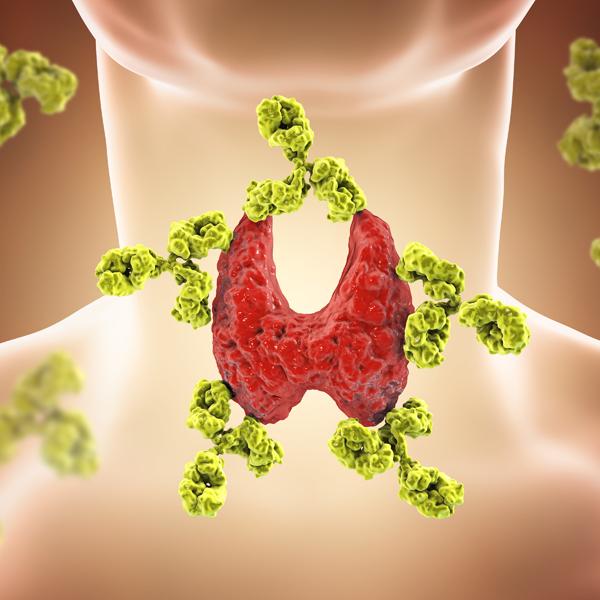
My two-year ordeal began when I was diagnosed with Hashimoto’s. It took that long to find an endocrinologist who prioritized my well-being over my blood work, which hovered at the lower end of the normal range. Until then, I was prescribed L-thyroxine, which was either increased too quickly or not quickly enough. As a result, I sometimes experienced drug-induced hyperfunction, and other times I couldn’t escape hypofunction. I was constantly tired, bloated, lacked energy, felt listless, experienced pain, and had mood swings. During ballet training, I was exhausted after just 5 minutes, and while riding, the horses sensed my tension, as if saying, “How can I relax when you don’t even know what relaxation means?”
L-thyroxine replaces T4, one of the well-known thyroid hormones. It is believed to convert into T3 (another thyroid hormone) in the body, which is more crucial for metabolism and has a more significant influence on the psyche. Unfortunately, my body did not respond as expected. And I’m not alone. This is known as a conversion disorder when the body fails to convert enough T4 into T3. Even if your bloodwork doesn’t indicate a conversion disorder, many studies suggest that an additional dose of T3 can have a positive impact on your well-being. The body can release stored water, metabolism accelerates, muscles have a more appropriate tone, and the psychological effects are significant. My endocrinologist informed me that T3 supplementation is now included in the recommendations for treating hypothyroidism. Sadly, this information has not yet reached all doctors. Some people cannot tolerate synthetic thyroid hormones, such as L-Thyroxine (T4) and Thybon (T3), and may need to switch to pig hormones.
It is crucial to have a knowledgeable doctor by your side. As mentioned earlier, the psychological effects are substantial.
You may now realize that the intensity of your fears could be related to your hormone levels. A thyroid dysfunction can both cause and exacerbate your fears. Both your fears and hormone levels affect your muscle tone, mobility, seat, and the effectiveness of your aids as a rider.
If you have a thyroid problem, it is essential to address your illness and pursue sensible therapy. Understanding your blood values is crucial. If you suspect you may have a thyroid disorder, it is best to see an endocrinologist right away. General practitioners operate within a different budget and may not have sufficient knowledge about diagnosing and treating thyroid insufficiencies.
It is also important to educate yourself about the disease and the associated bloodwork so that you can participate in decisions regarding hormone adjustment.
Whether you have Hashimoto’s or another thyroid problem, achieving adequate hormone levels is possible. This achievement can lead to a better outlook on life, increased energy, and overall well-being. Ultimately, it can result in better riding and a stronger connection with your horse.
I hope you find a competent doctor who listens to your concerns and includes you in the decision-making process. Always remember: nobody knows your body better than you do.
Wishing you all the best!





This Post Has One Comment
Thanks for your blog, nice to read. Do not stop.